Elegant and mysterious creatures take shape from Lecce limestone, at once trapped and freed.
Biography
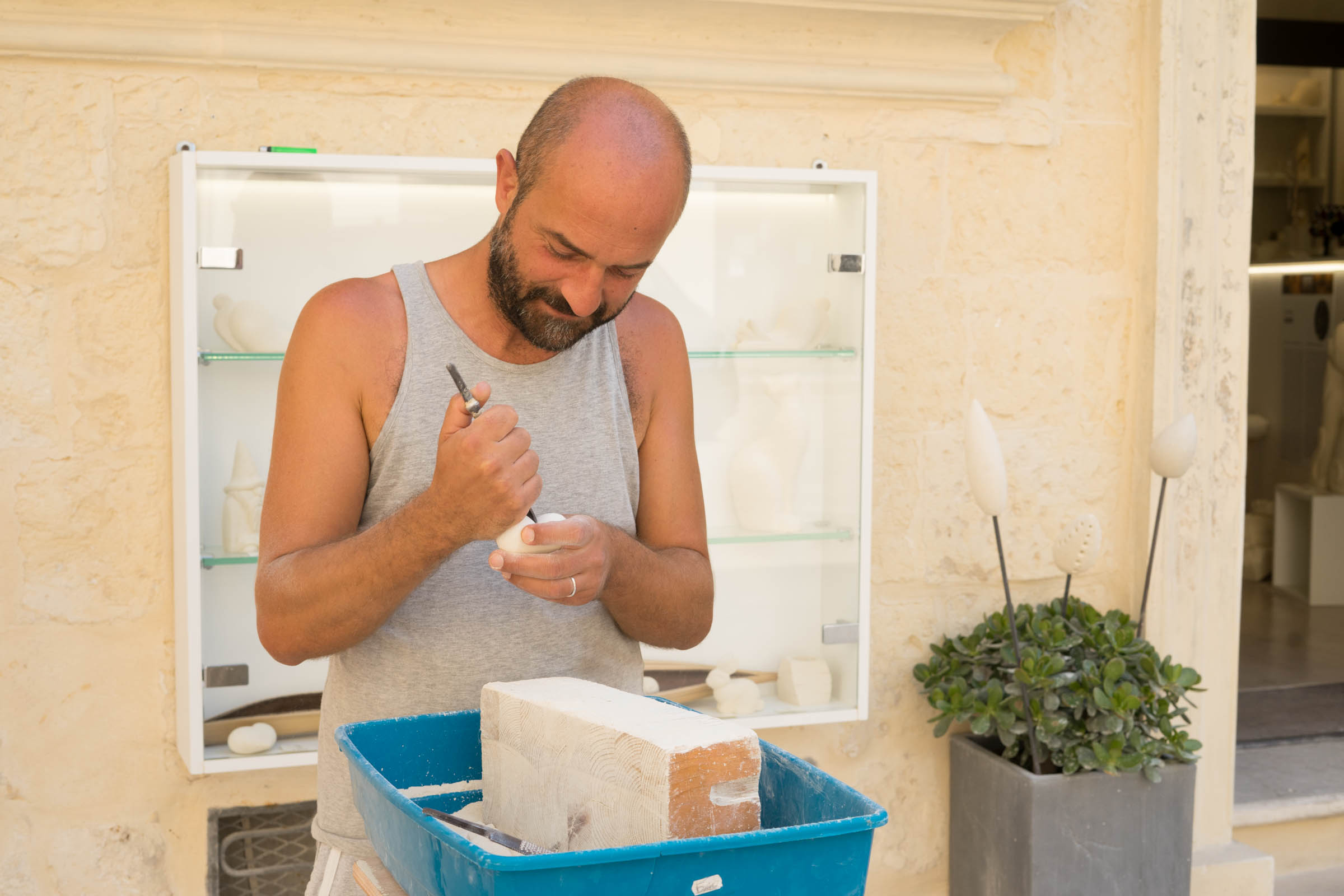
Born in Lecce in 1980, Andrea Guido is a self-taught artisan and sculptor. From an early age, he developed a strong passion for materials and craftsmanship, nurtured by his uncle, restorer Dino Casilli. During adolescence, he discovered a colony of cats in an orange grove in his hometown — an encounter that left a deep mark on his imagination and guided his artistic journey. Since then, Lecce Stone, the characteristic limestone of Salento, has become his primary material, giving life to sculptures that celebrate the grace and mystery of felines.
Style and Visual Language
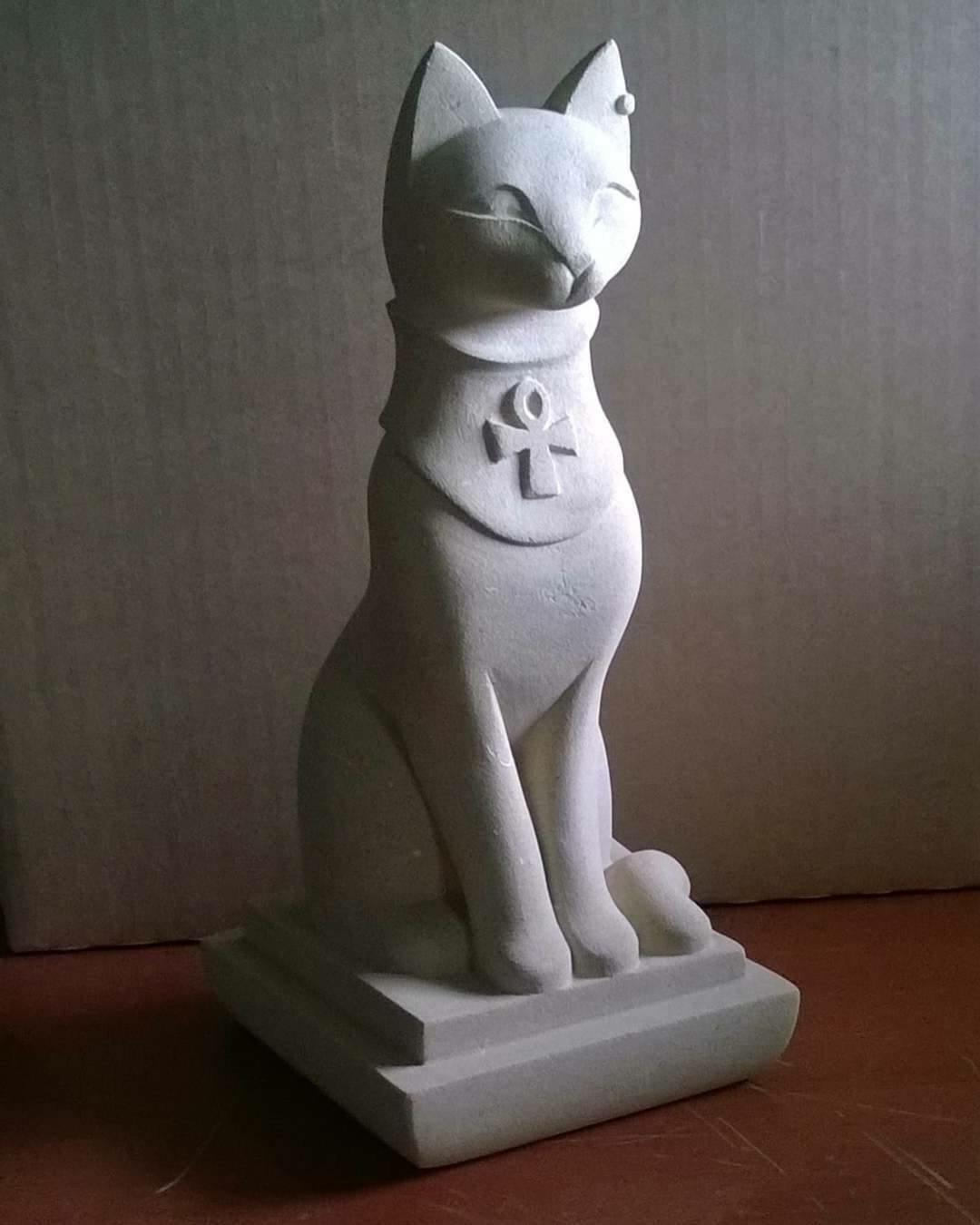
Andrea Guido’s work combines realistic elements and abstract forms, shaping a visual language that is both essential and poetic. Cats are the central theme of his art: not simply bodies, but creatures embodying independence, elegance, and spirituality. His goal is to free the soul of the cat from the stone, transforming matter into a symbol of transcendence.
“The cat embodies independence, essentiality, transcendence. It is hard to define a cat, just as it is hard to define an artist.”
Key Works
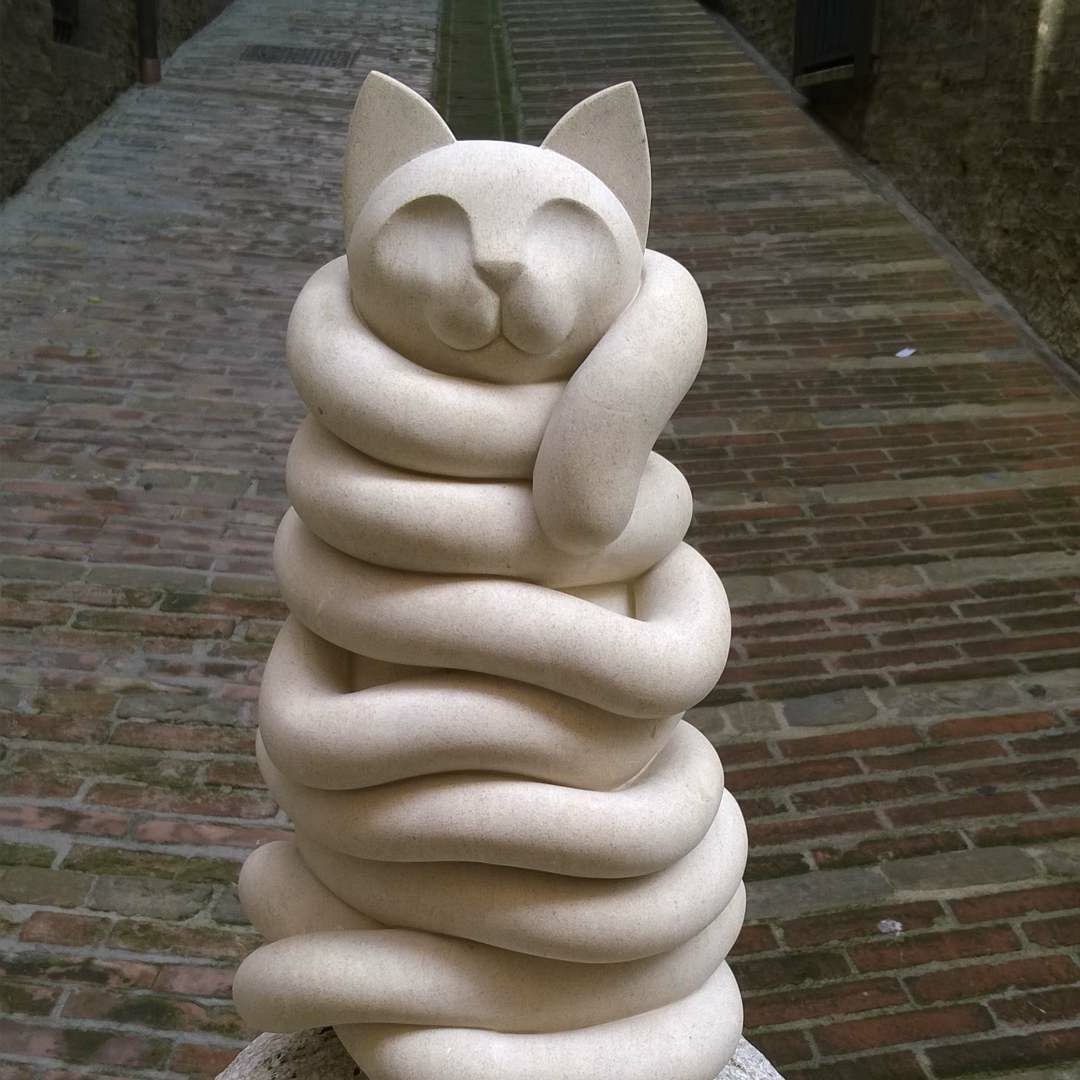
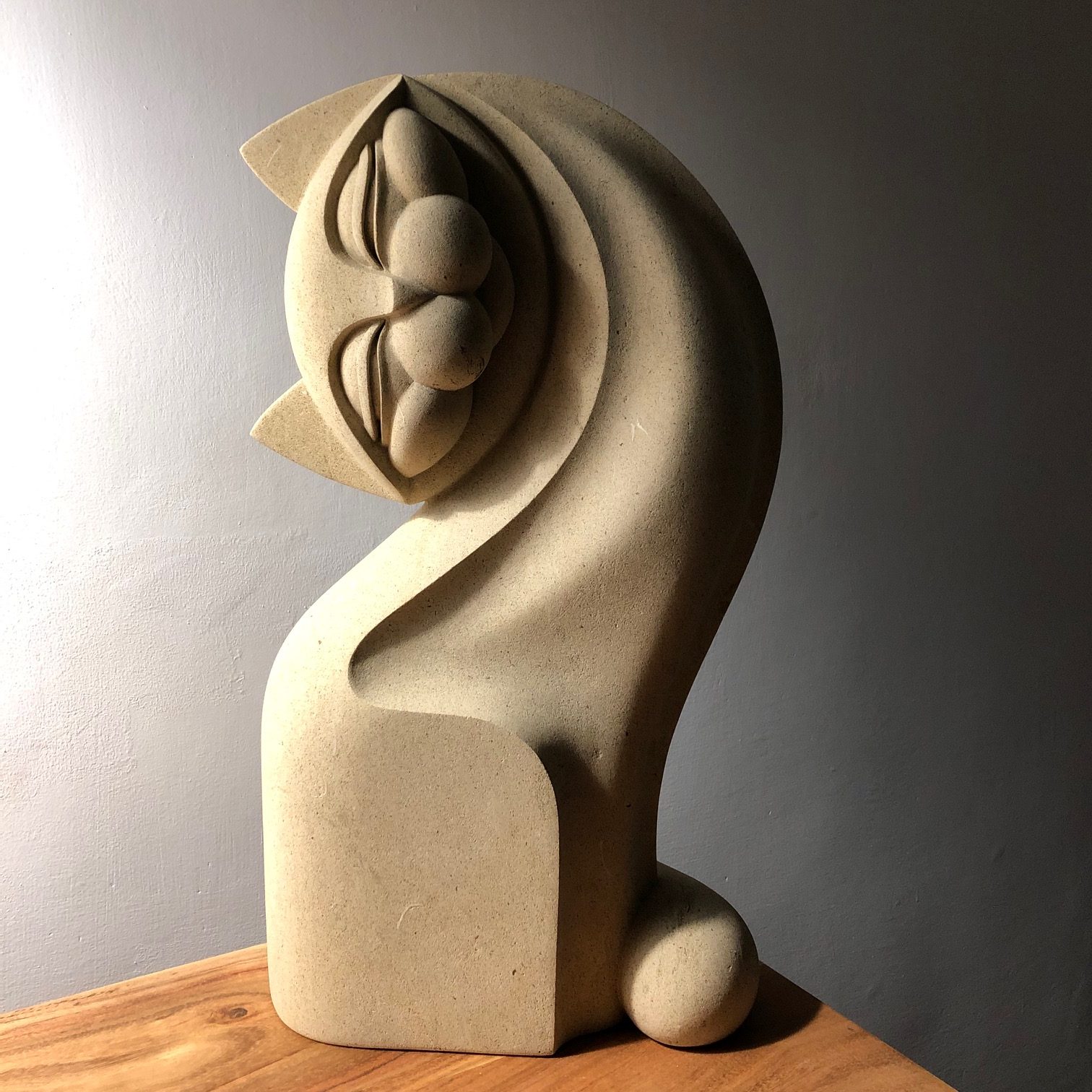
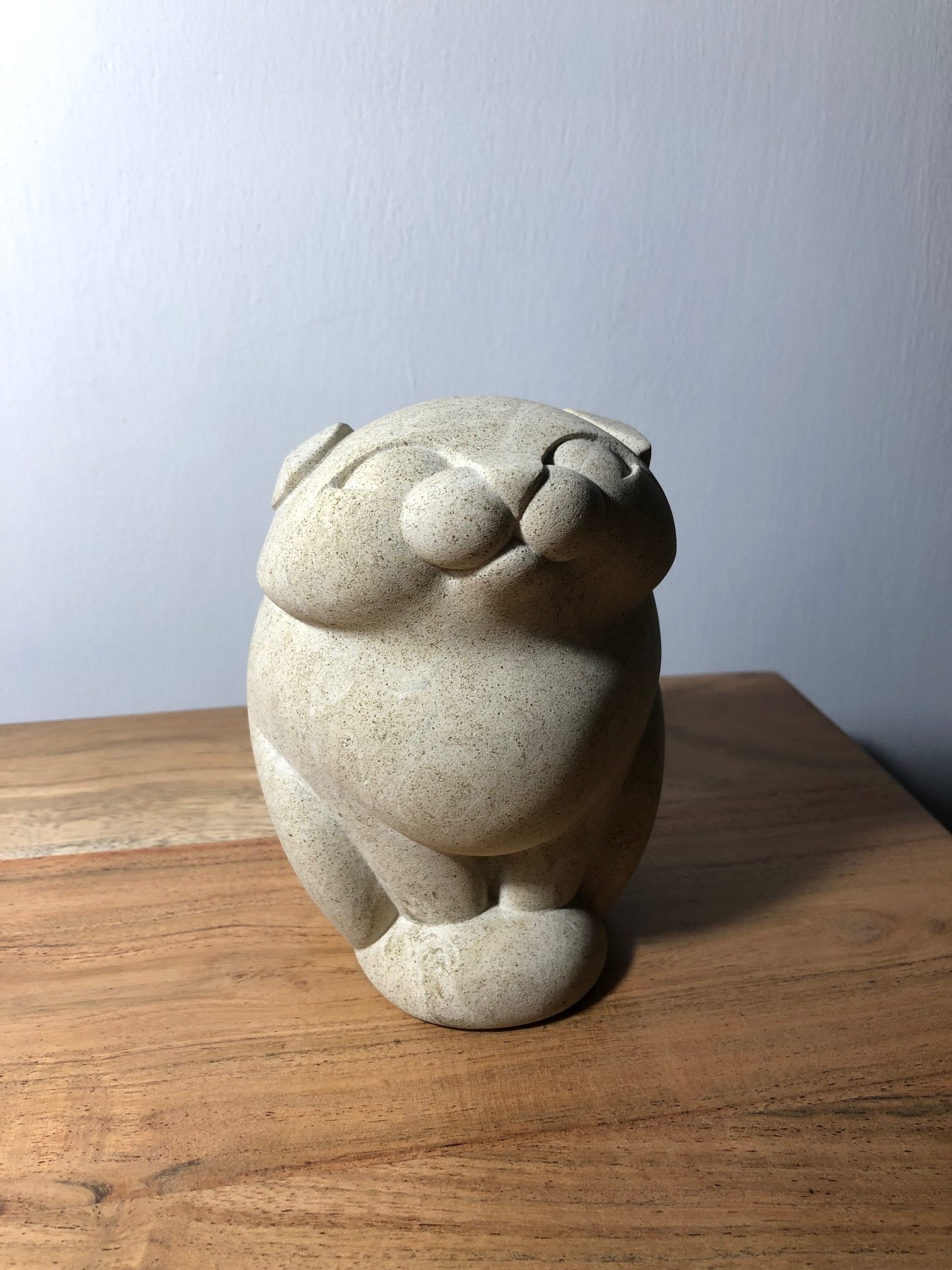
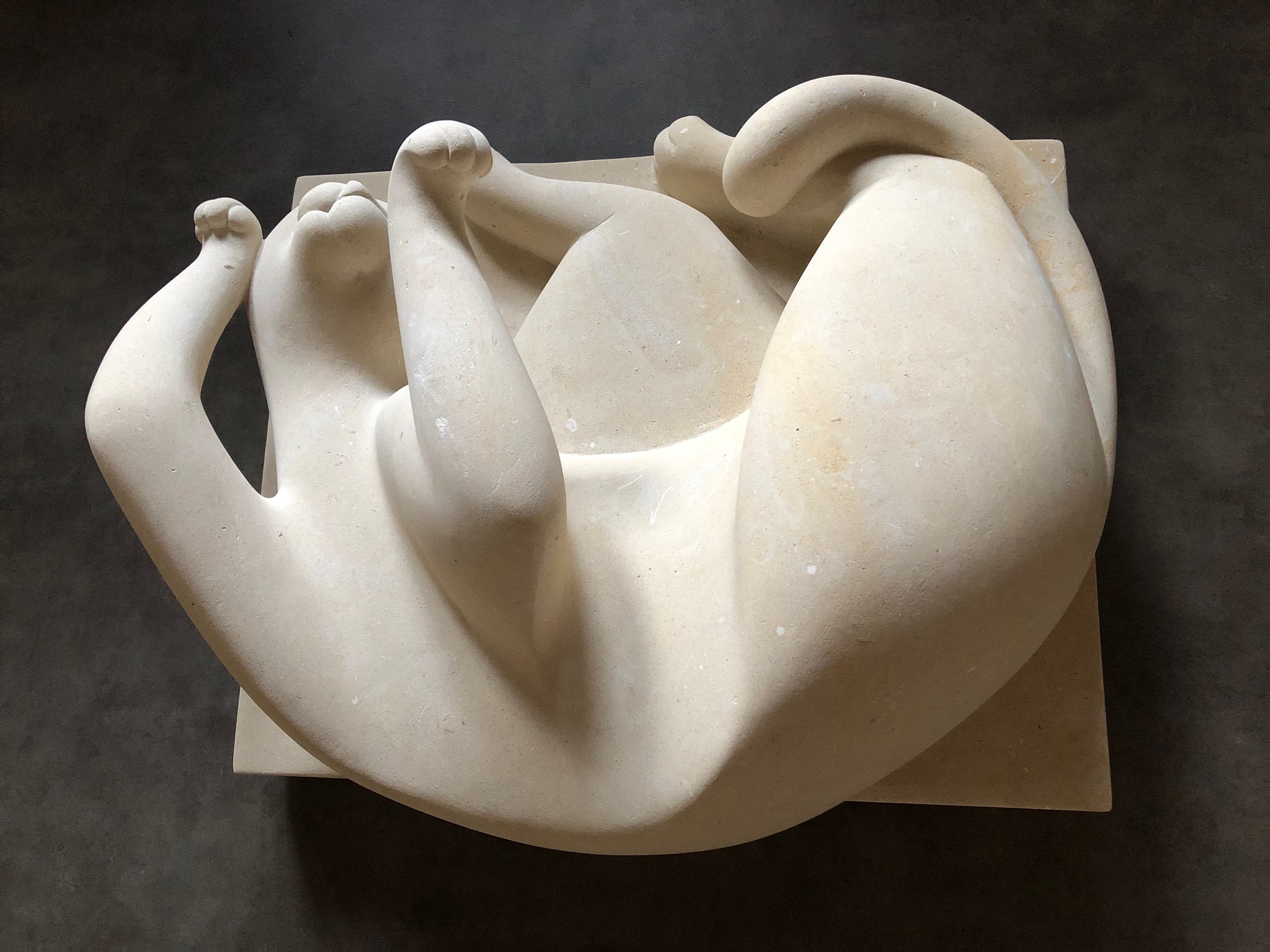
A cat wrapped in its long tail, symbol of stability and protection. The piece reflects the ability to transform an abstract concept — the journey of life — into a tangible form, while preserving a deep emotional resonance.
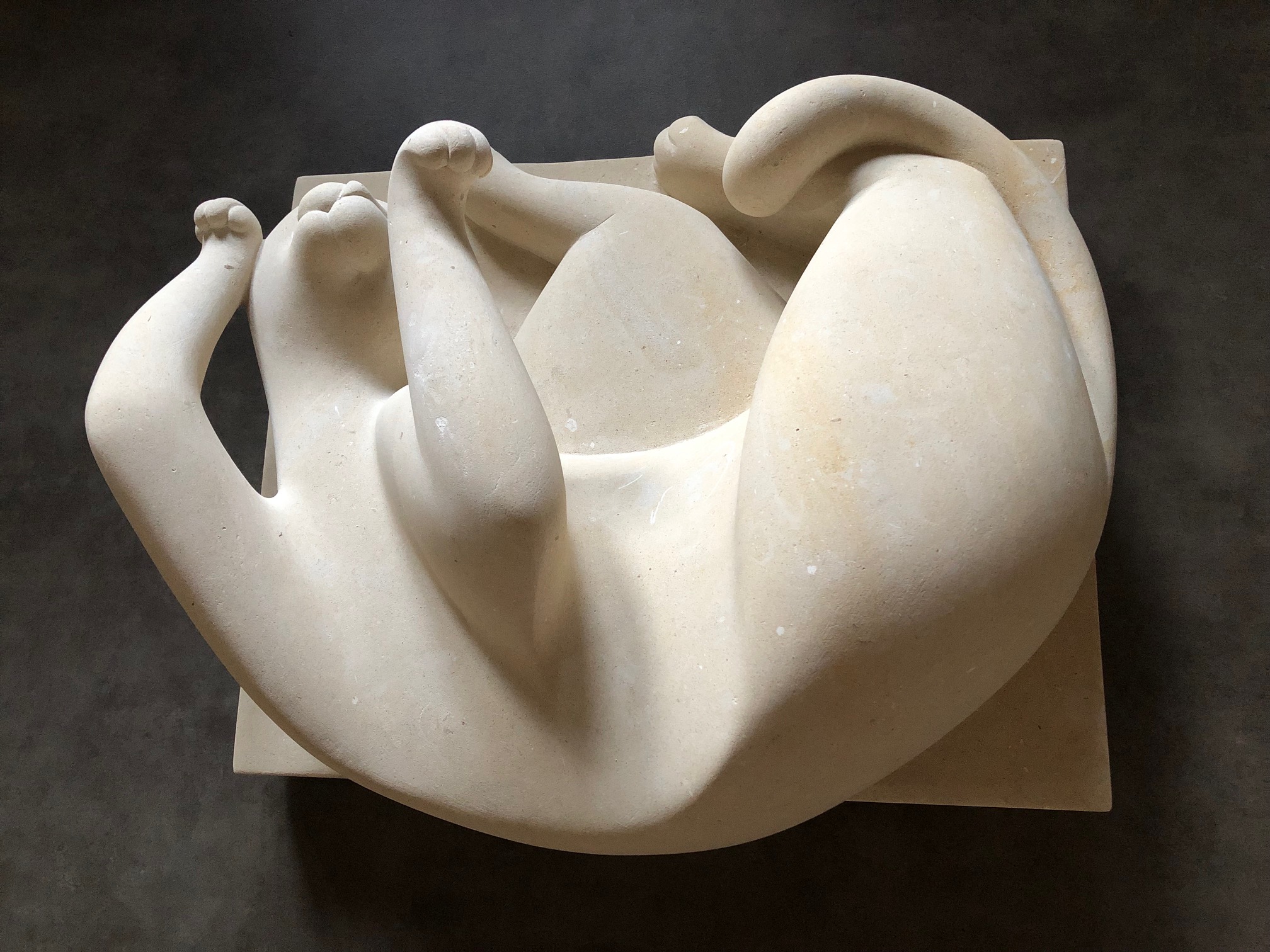
A cat in a dreamy, harmonious pose, representing the dream as a connection to our innermost essence. Its fluid lines evoke the spiritual and magical dimension of feline life.
Interview
Our first question is about your artistic choice. You’ve focused almost exclusively on the feline figure, to the point of being known as “The Sculptor of Cats”. Why cats?
I’ve been passionate about cats since I was a kid. They fascinate me: to me, they’re the most beautiful of animals, full of deep, layered meaning. I think they’re a great example of transcendence. And of independence. Independence is something very dear to artists, and cats embody this perfectly. They embody the essential, if you will. It’s always hard to define an artist, just as I think it’s hard, in some way, to define cats. And then I really love their lines. I admire them aesthetically, too. In my view, cats are creatures overflowing with beauty: it’s hard — no, it’s impossible — to deny their objective grace and beauty.
“Stone is rigid and heavy, the cat is liquid and elusive: transforming this contradiction is my challenge.”
Speaking of the creative process: how do you approach the duality between the hardness and weight of stone and the sinuosity and elasticity of cats? How does a cat come to life from Lecce stone?
Exactly! On one side, you have something hard and rigid; on the other, the almost liquid nature of the cat. I think this is a challenge for all sculptors. It’s as if the sculptor takes on a spiritual task: to transform matter into something immaterial. In my case, it’s even more evident because I use essential forms and cats as my subject. But in reality, all sculptors do this — some choose different subjects, but the alchemical process is the same. For me, it’s a philosophy. I’ve made countless attempts. I started sculpting at 17, working with wood. I made my own chess pieces. I’m self-taught — I began almost by accident, then discovered that I loved sculpture. And I was always surrounded by cats. I spent so much time in my grandmother’s garden as a child, and those cats somehow bewitched me. Again and again, I tried to capture their essence. I’ve always loved drawing and art in general, but cats were particularly difficult, and I became stubborn. I wanted to capture the essence of feline beauty. It’s been a long journey — it took me years.
“To sculpt means to free the cat that is trapped inside the stone.”
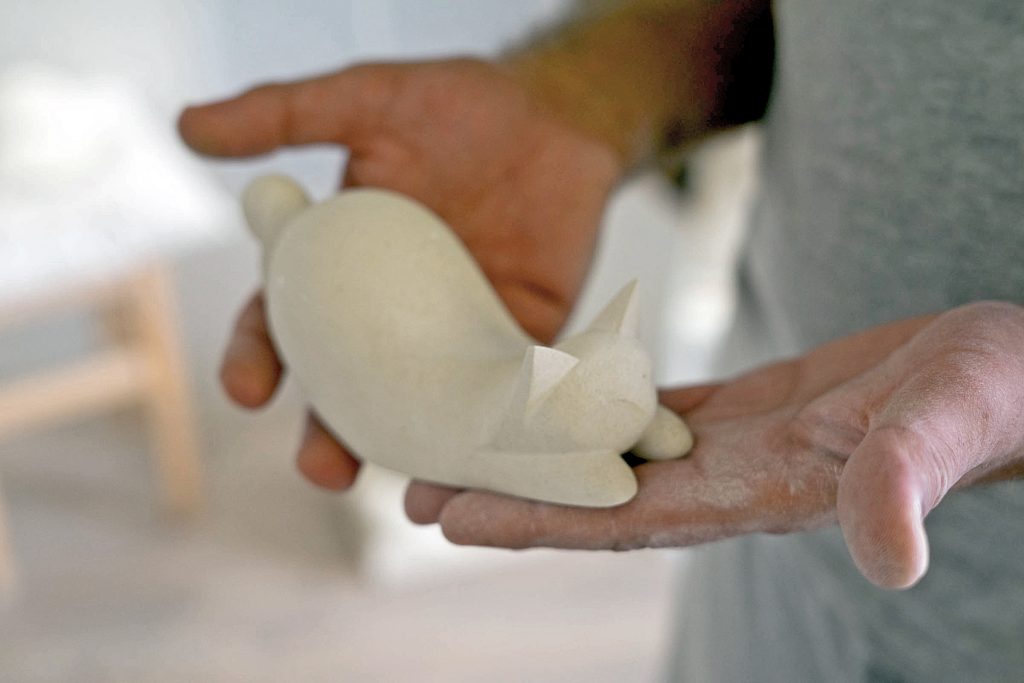
Do you start from a drawing? What’s your process for creating a sculpture?
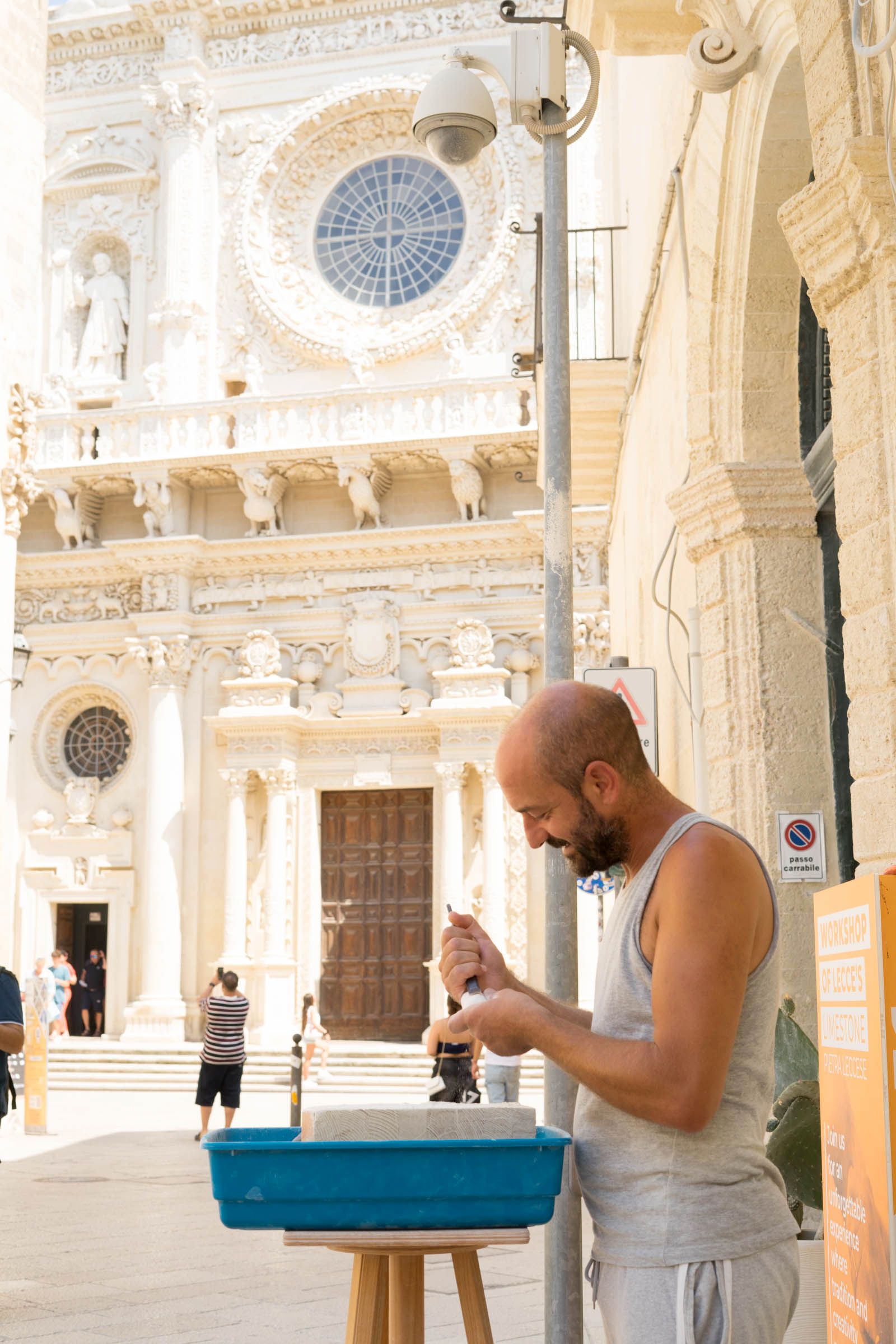
Sometimes I begin with a drawing, sketching the outline directly on the stone block — just reference points, the main lines. Other times I carve straight into the block, but of course, the idea is already in my head. In fact, the sculpture happens in two different moments: first mentally, when I form a clear image, then physically, when I choose the block that best fits that vision. For me, the sculpture isn’t imagined inside the block, as some sculptors say — it’s something I extract from it. I free the cat trapped inside the stone.
Was there ever one cat that made you say: “This is the one — I want to sculpt this cat”? And are you surrounded by cats while working?
I’ve always had many cats, but there wasn’t one in particular that inspired me. Sometimes they stay with me while I work — it depends on their mood and on what I’m doing. If I’m working on fragile or tall pieces, I try to keep them away, because accidents have happened… They’re still cats, after all.
You’re self-taught, but are there artists — sculptors, painters — that inspire you, or did you find your own way?
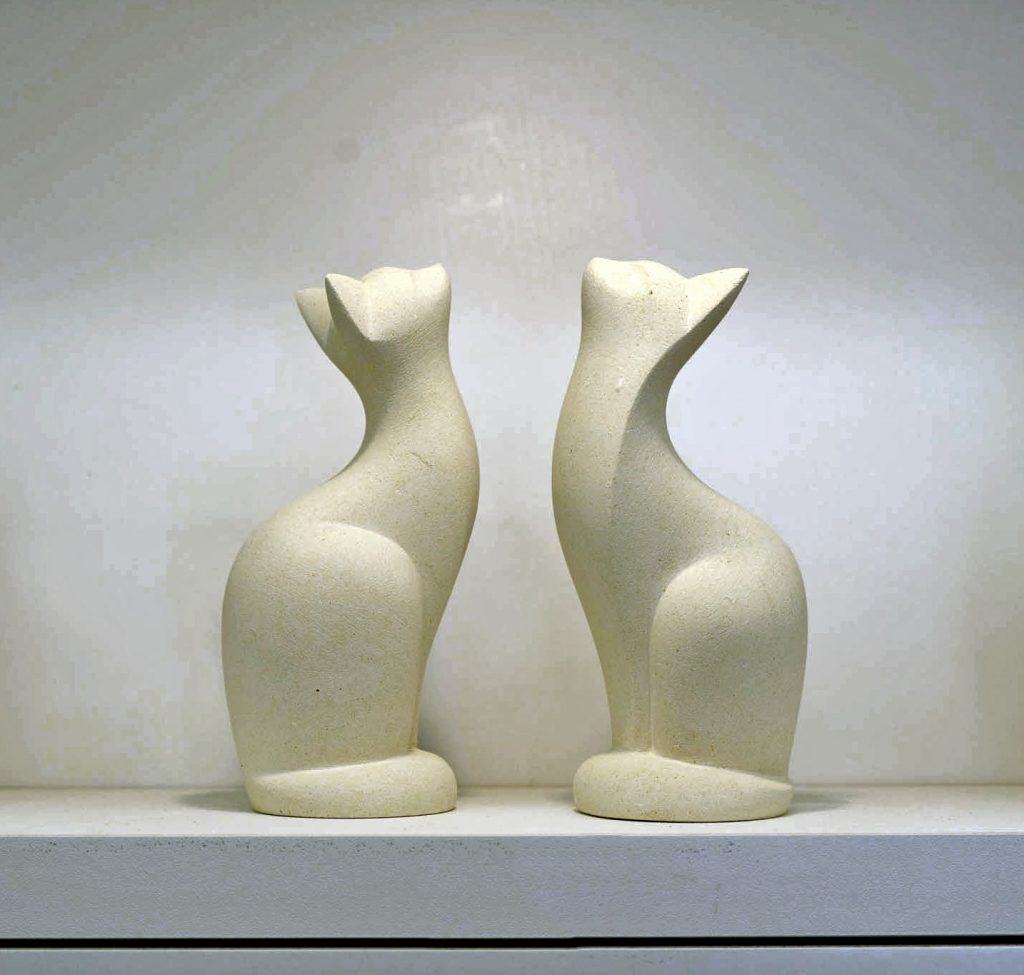
I don’t have one specific reference, but I do have favorites. I’ve always loved Modigliani. Some of my cats have heads and necks which could recall Modigliani’s. Yes, definitely an influence. For this other piece, instead, I was inspired by Keith Haring — his figures often overlap, as if they’re dancing (points to the statue Puzzle, depicting two overlapping cats). And I also like some abstract sculptors, like Henry Moore. I tend to prefer essential lines, the simplest forms possible, but within that simplicity there must be everything. Simplicity, but rich in aesthetic and spiritual meaning.

One last question: your very first memory of a cat. You mentioned your grandmother’s garden — was there a specific moment when you thought, “This animal has something almost transcendent”?
I can’t pinpoint the very first memory, but probably when I was very young, playing with my cousin in the garden. We used to imagine witches, ogres, magical creatures. There were abandoned houses around the garden, and cats came and went freely. That gave me the sense of the cat as mysterious, transcendent, almost magical.
Where to See Guido’s Artworks
Andrea Guido’s sculptures can be admired at MAiDE Contemporary Art Gallery, alongside works by other artists who also use Lecce stone as their medium.
You can also check Andrea’s Instagram page here.
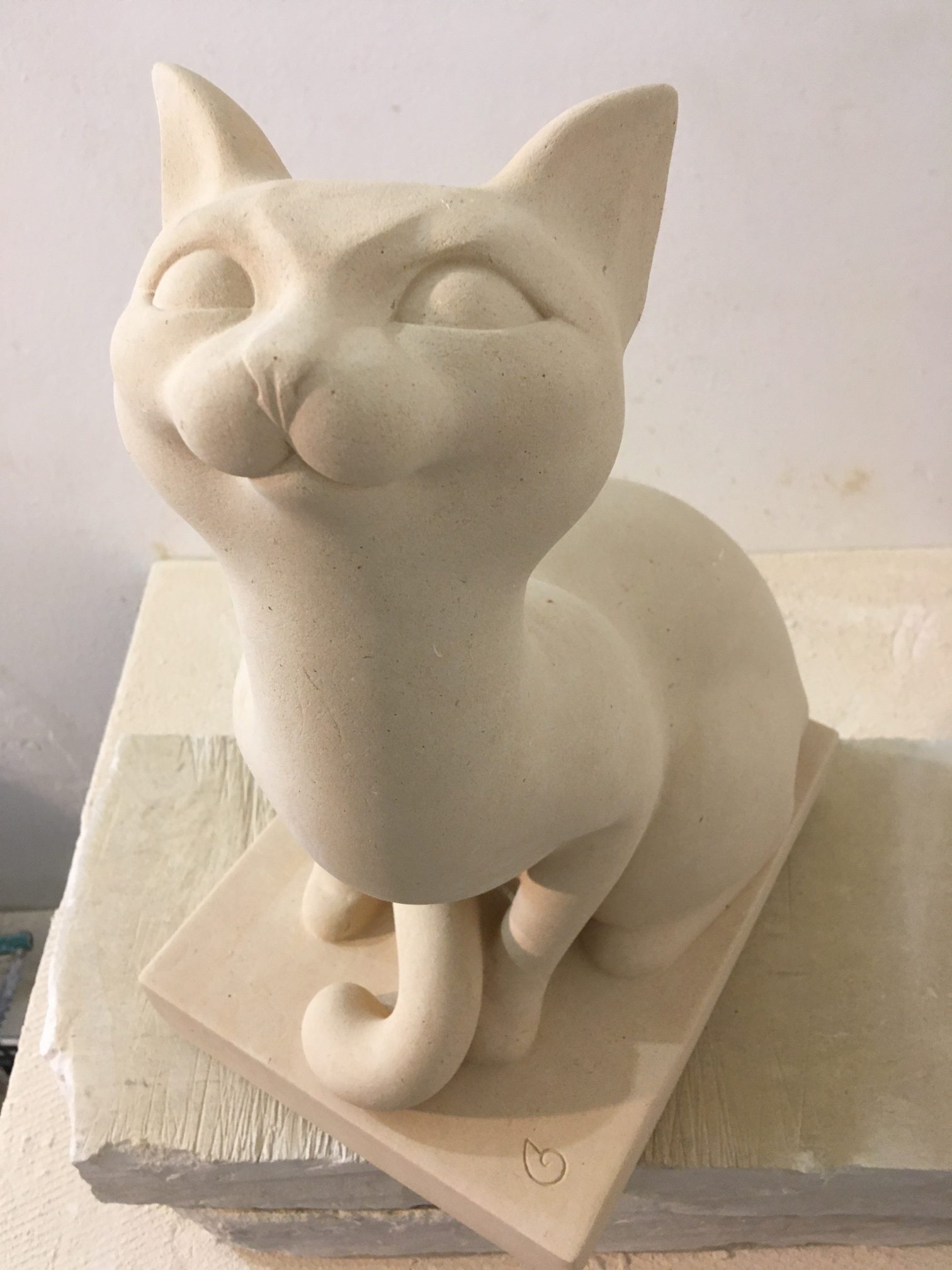

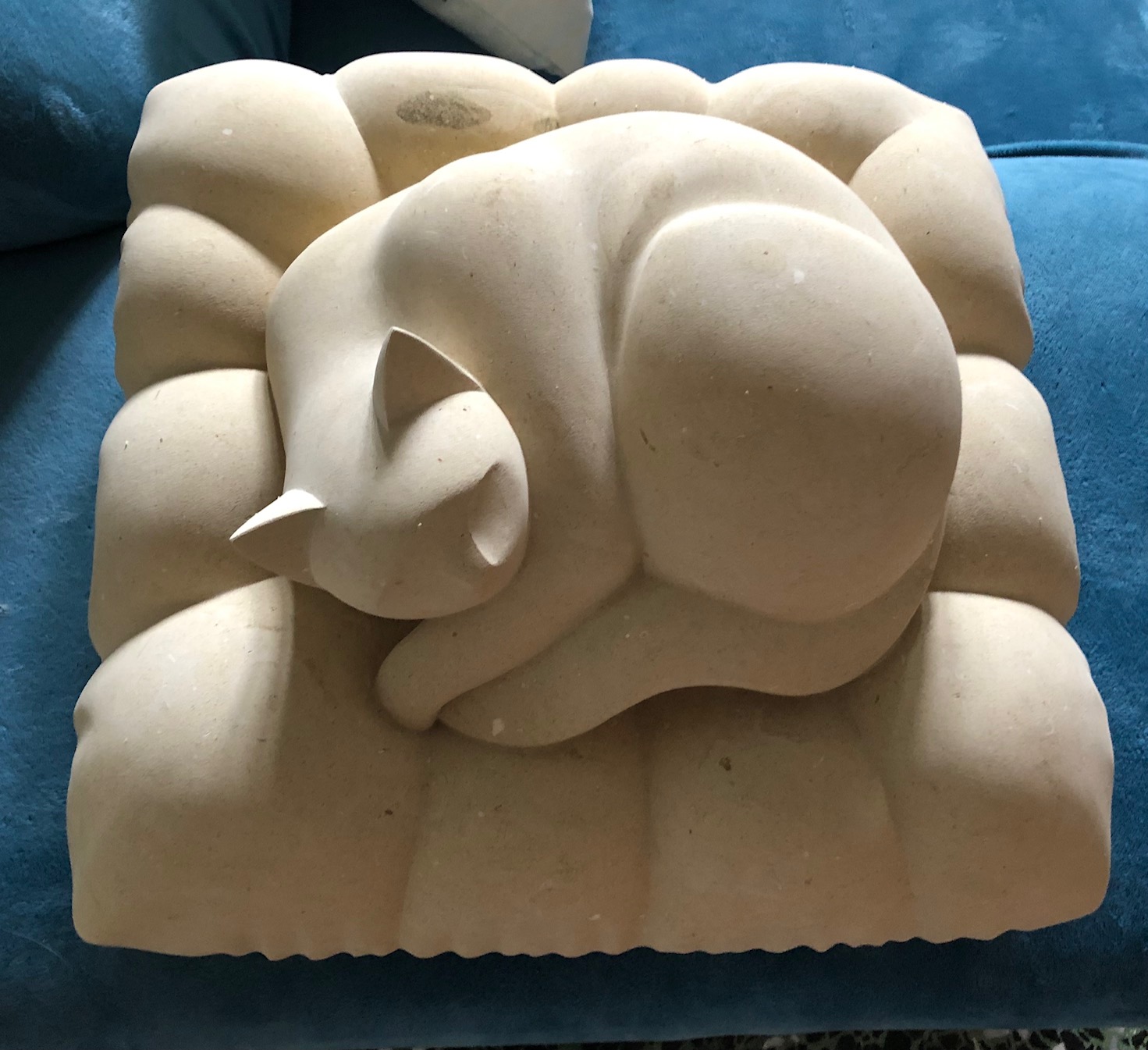
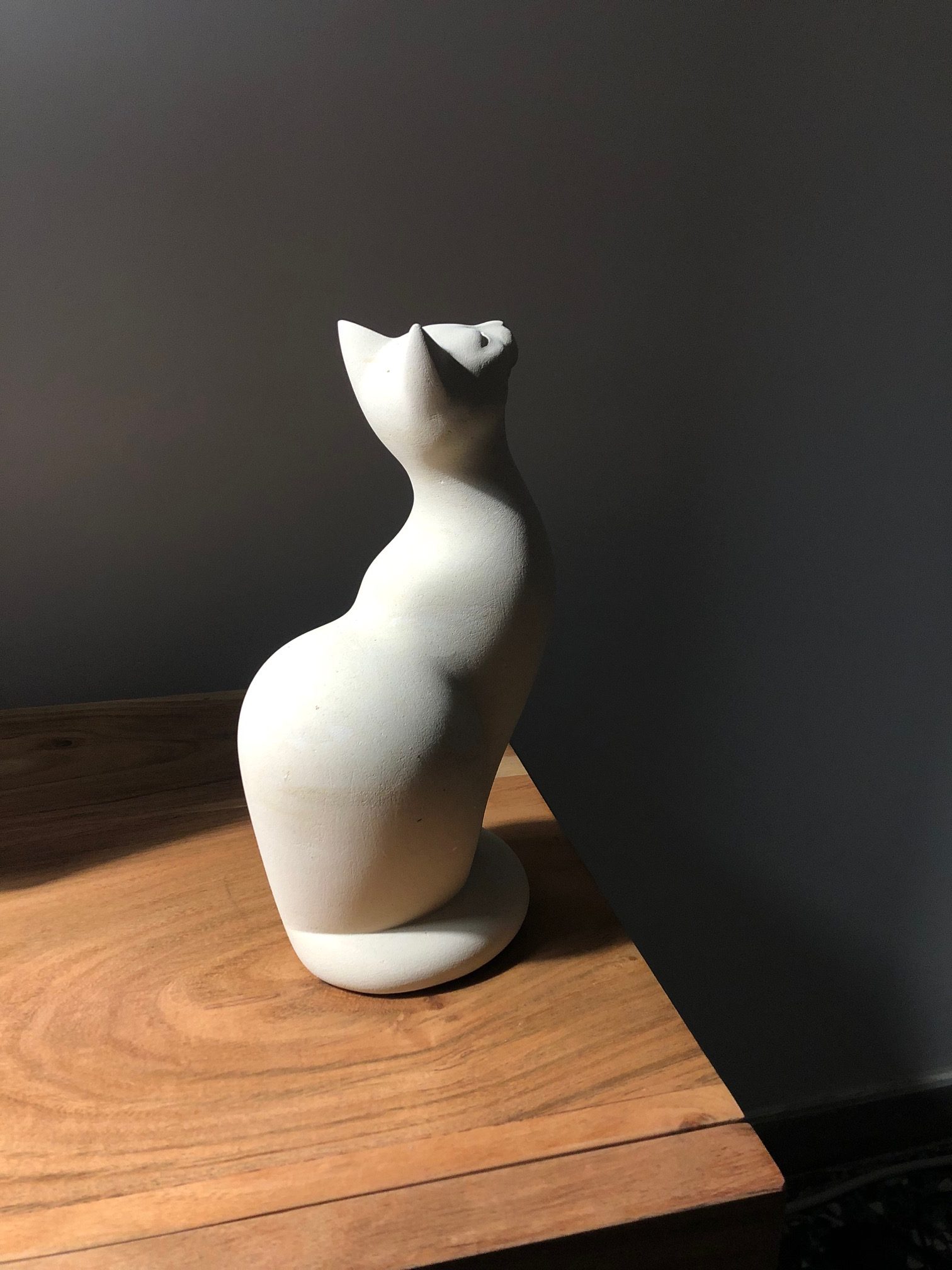
Dreaming Cat
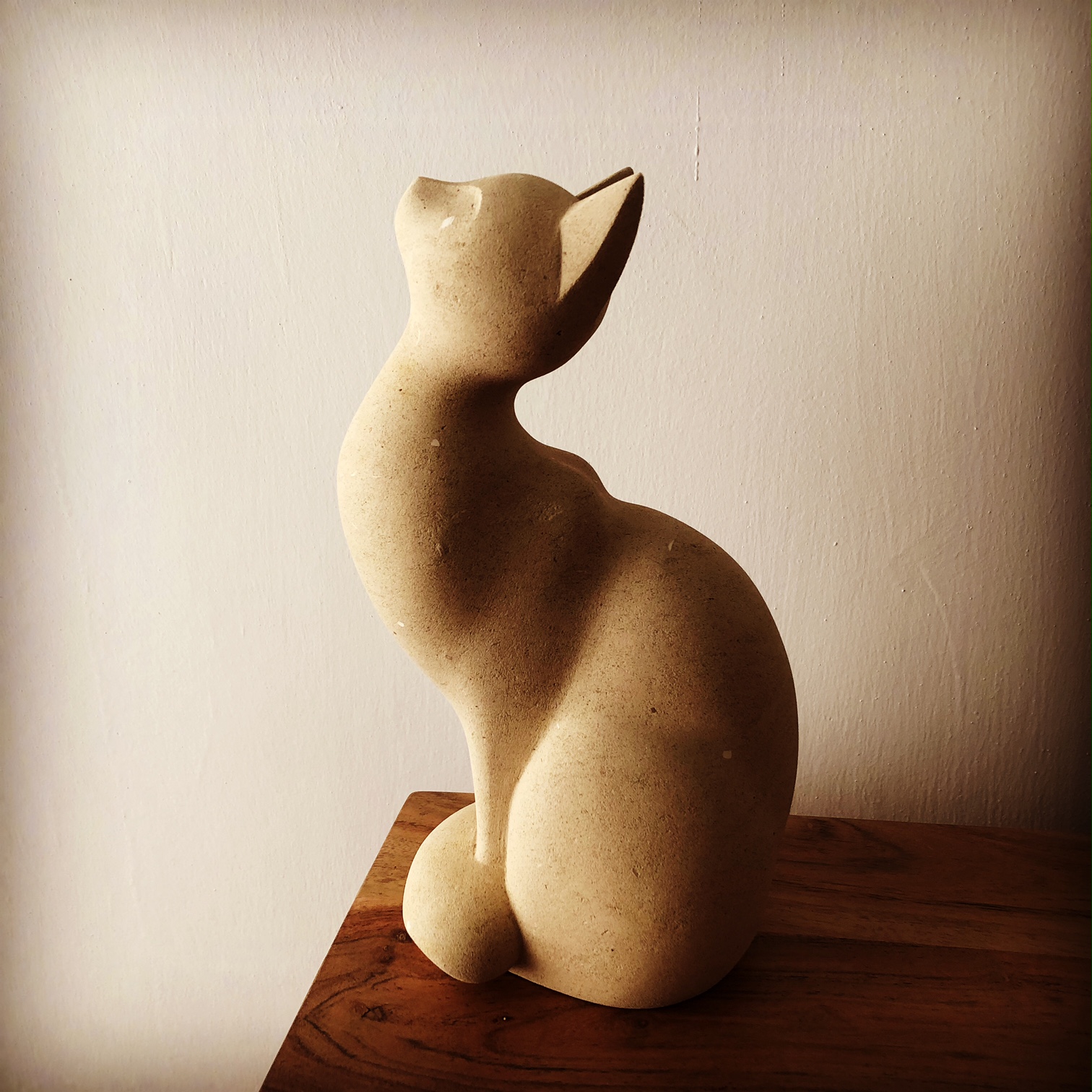
Dreaming Cat
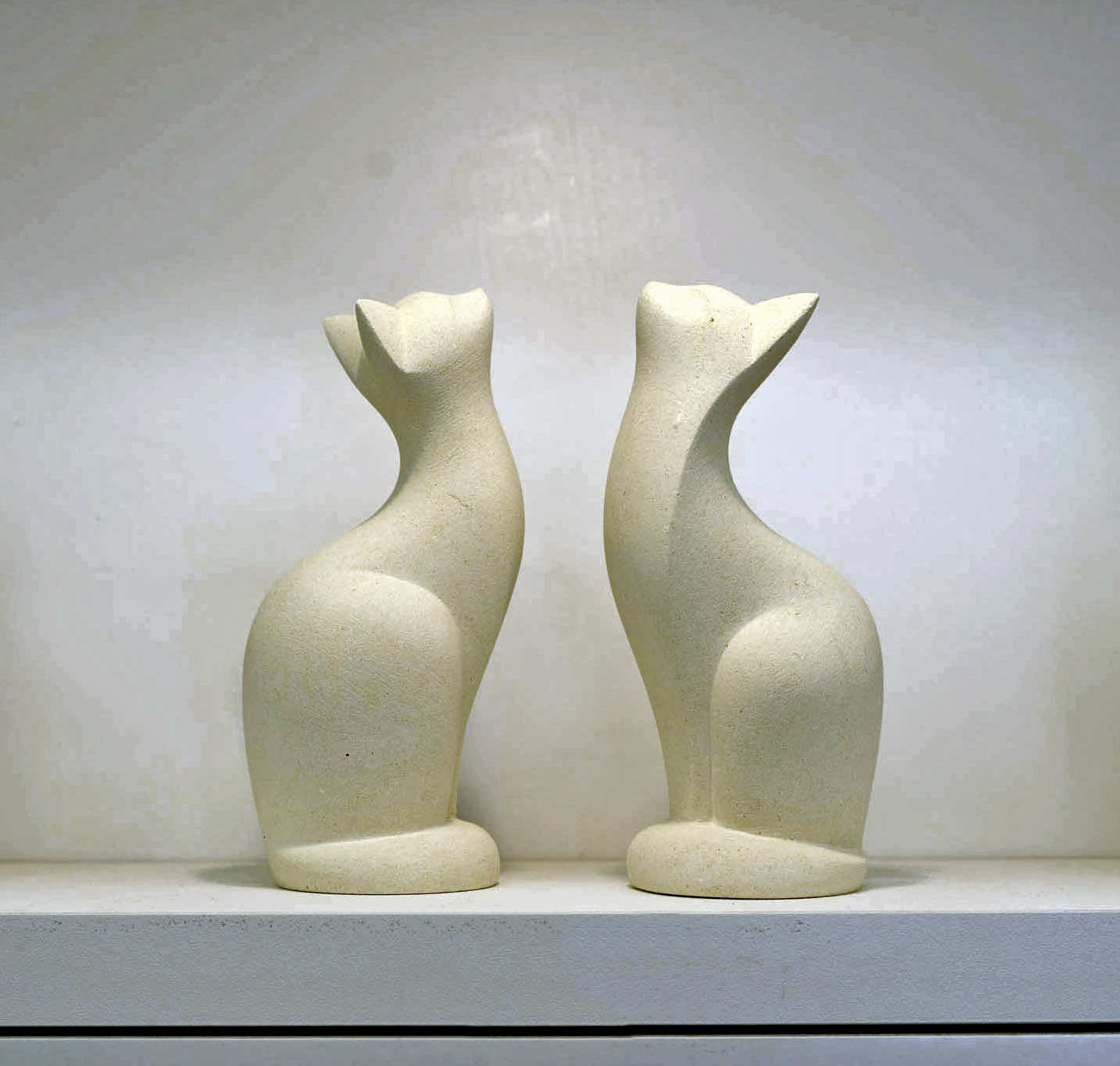
Dreaming Cat
Curious Cat