When people speak of meeting a cat, they often say: “It was destiny.” Yet perhaps it is more accurate to say: “Meeting this cat changed my destiny.” Few stories illustrate this better than that of Walter Chandoha, for whom the chance encounter with a stray kitten marked the beginning of a lifelong artistic journey — one that would ultimately create a new visual language for portraying cats.
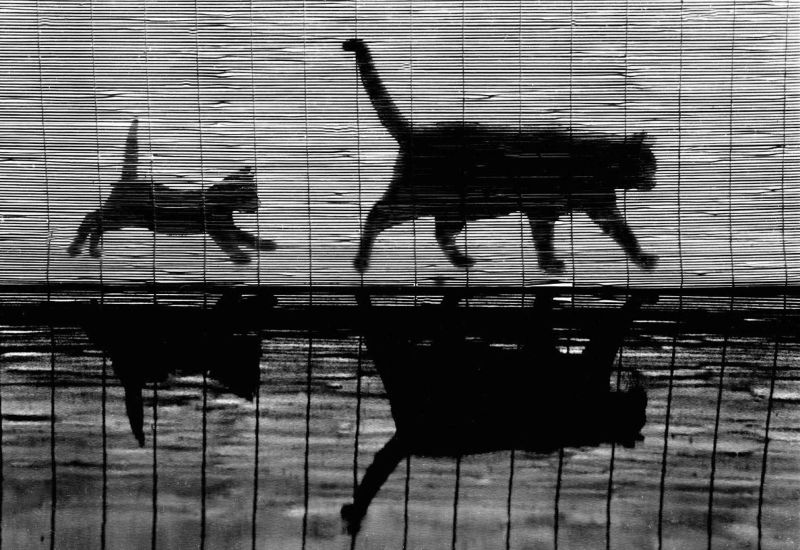
An Encounter That Changes Everything
It was 1949, a freezing winter in New York. Walter Chandoha, a young marketing student at New York University and a veteran of the Second World War, was returning to his apartment in Astoria, Queens. In a narrow alley, amid snow and ice, he noticed a tiny gray kitten shivering in the snow. He lifted it gently, wrapped it in his coat, and carried it home — an unexpected gift for his wife Maria, who was then expecting their first child.
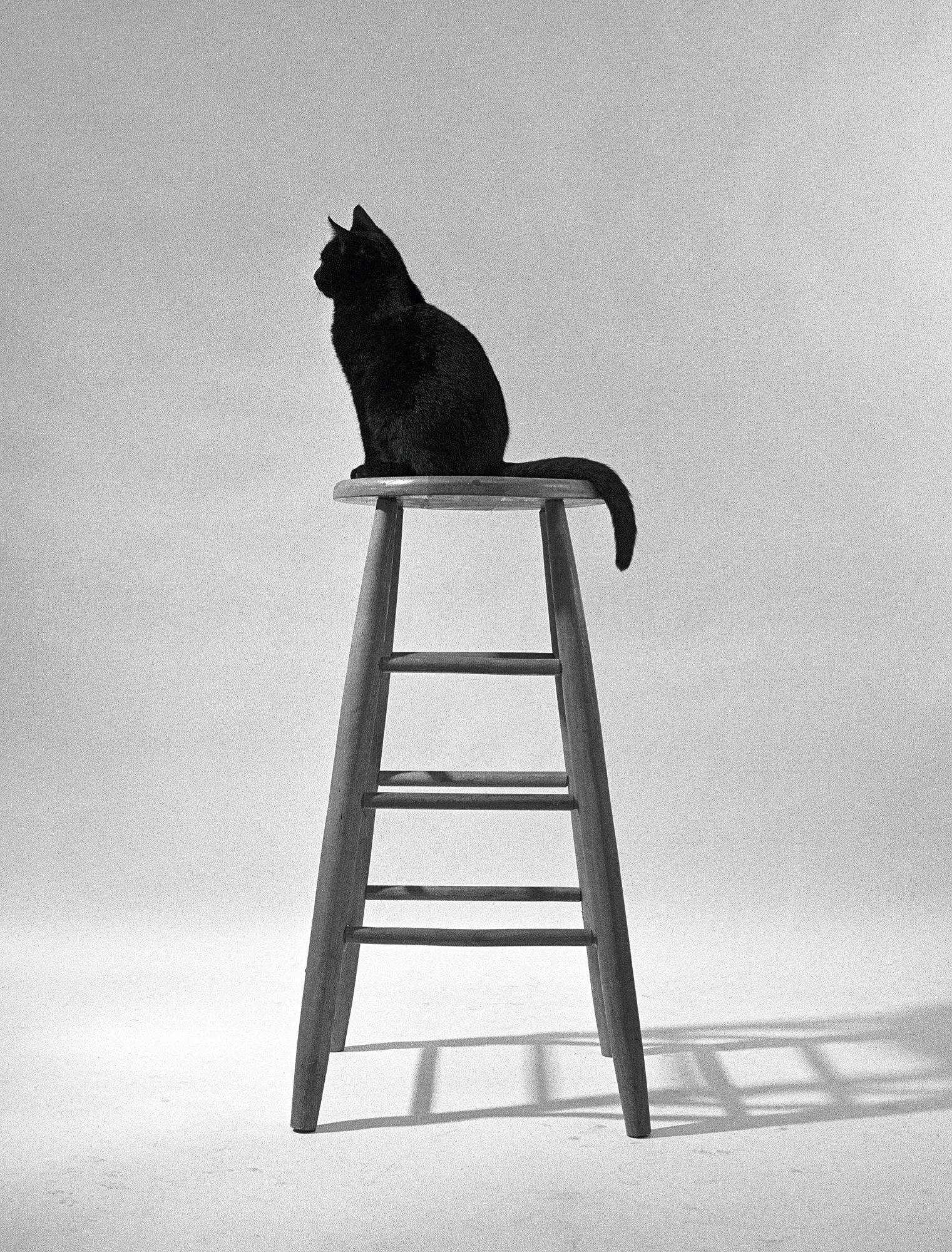
That very night, the kitten raced through the apartment with unstoppable energy, darting from one room to another as if possessed. Amused, Maria exclaimed: “That cat is loco!” — and so was born the name that would enter the history of photography: Loco, the cat of the photographs.
The Mirror Incident
Loco did not become merely an affectionate companion, but the spark of an entire career. One day, during household cleaning, the cat stumbled upon a mirror left on the floor. At the sight of his own reflection, he staged a true battle with his image. Walter, struck by the scene, rushed to fetch his camera. Those black-and-white images, full of vitality and humour, were soon published in newspapers and magazines across America and Europe: from This Week in the United States to Picture Post in England, from Oggi in Italy to other weeklies in France and Germany.
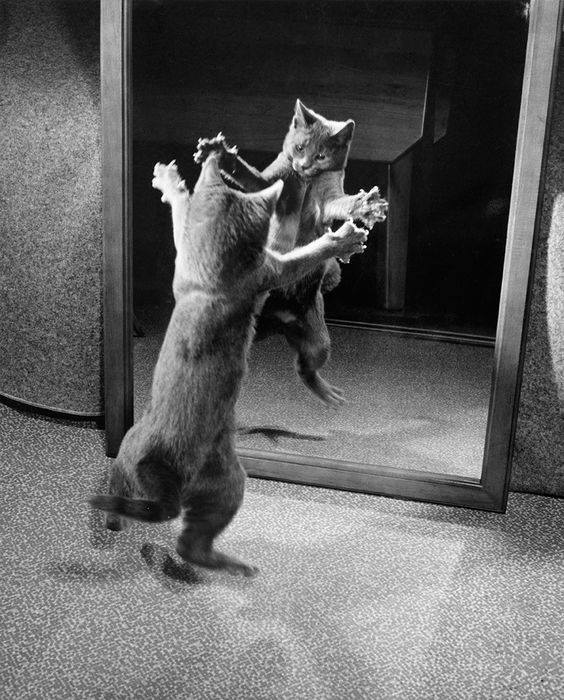
From a simple domestic episode, Chandoha had discovered a language that spoke to him more deeply than anything else: the language of feline photography. Loco had turned Walter into a cat photographer.
A Life Reoriented
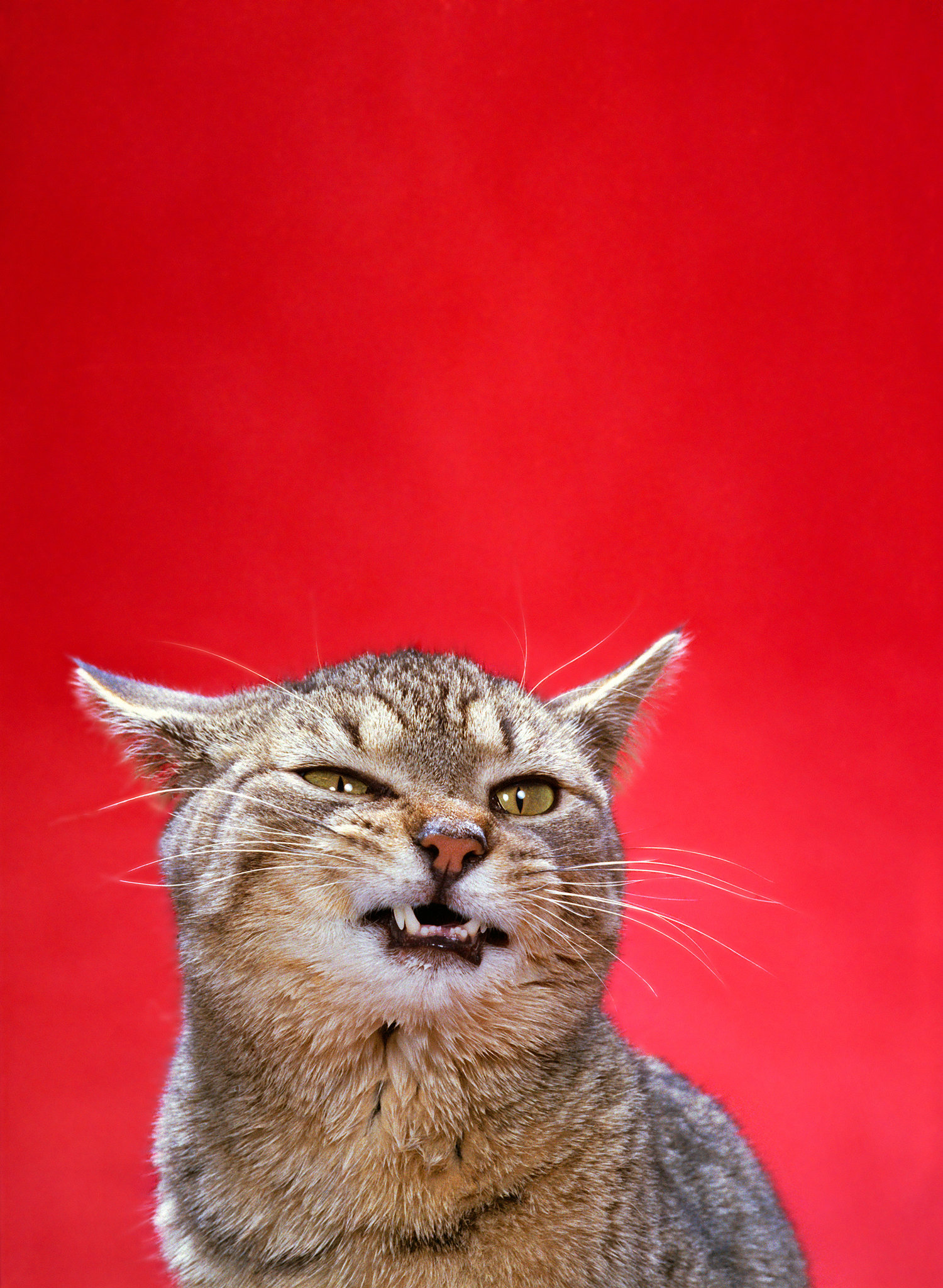
The success of those first photographs proved decisive. Chandoha began to understand that photographing cats was not a mere distraction, but a true vocation. By the mid-1950s, he left behind his plans in the world of advertising and established himself as the foremost commercial cat photographer of his time. Cats — with their swift movements, their mystery, their ability to embody both sweetness and independence — became the central subject of his work.
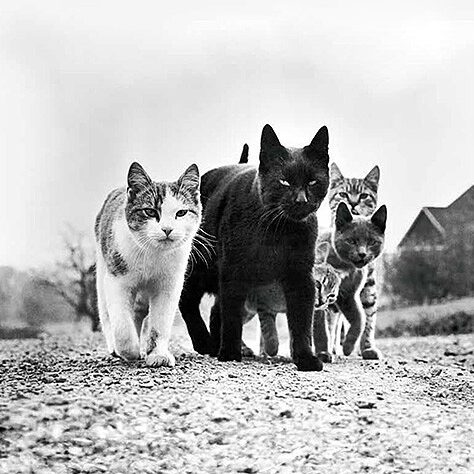
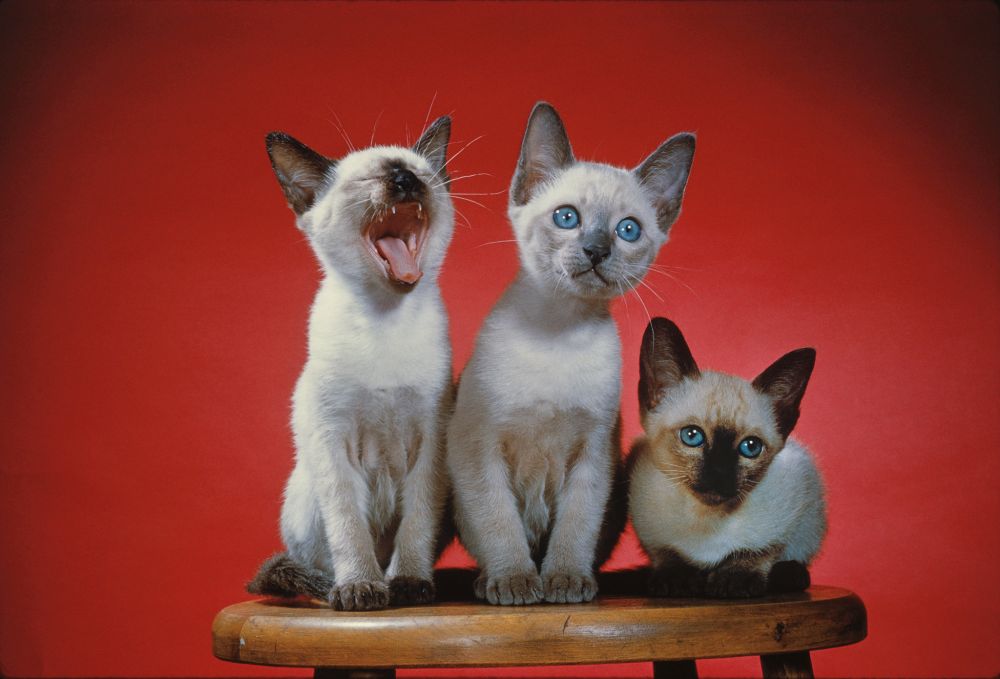
Over the course of his career, Chandoha created an archive of more than 90,000 photographs, many of which appeared on hundreds of magazine covers, and published over thirty books. His images reached everywhere, from art exhibitions to pet food packaging, shaping popular culture long before the internet turned feline imagery into a digital phenomenon.
His ability to capture feline grace transformed not only his own life, but also the collective imagination: cats were no longer just domestic companions, but protagonists of a visual style that combined art, technique, and narrative sensitivity.
The Artistic Process
Chandoha’s work was not simply about documenting cats but about translating their essence into visual form. He developed a practice rooted in patience, technical mastery, and respect for the individuality of his subjects.
Eye level: Chandoha consistently photographed cats from their own perspective, at ground height. This simple choice dissolved the hierarchy between human and animal, granting the cat a presence equal to the viewer’s.
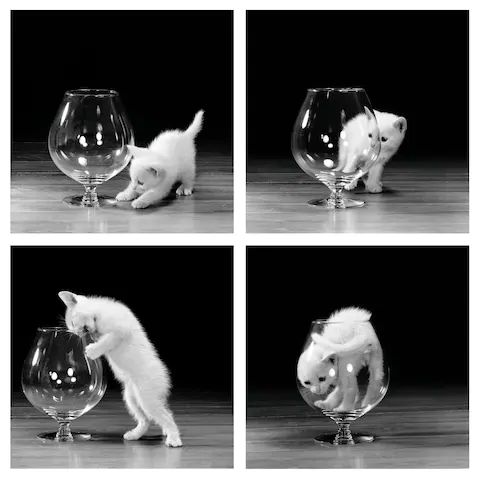
Light and detail: His studio setups involved multiple lights carefully arranged to illuminate every whisker and glint of fur. The result was not just clarity but an intensity of presence.
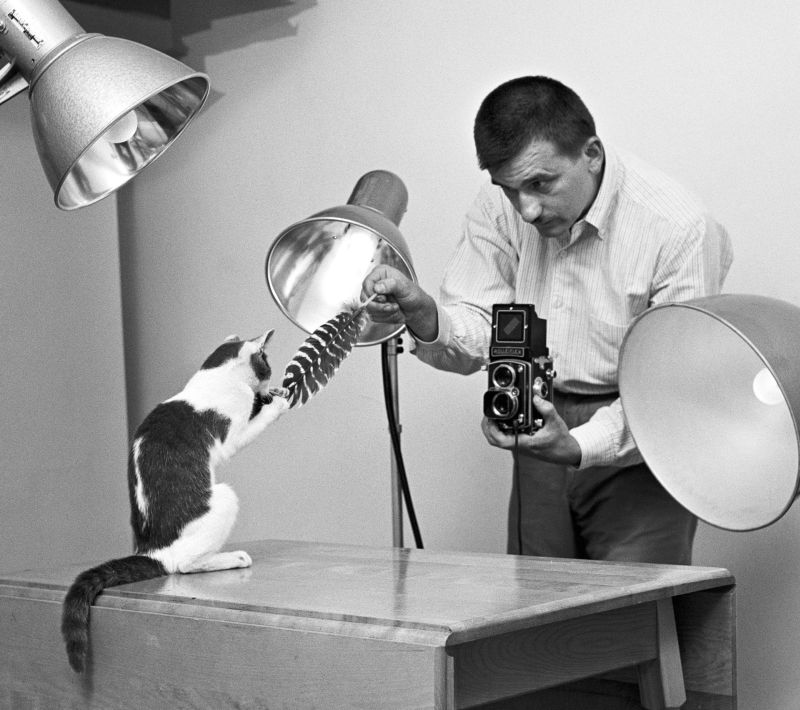
Timing and intuition: Above all, his photography depended on anticipating the unpredictable. Cats would not pose; they would leap, stalk, curl, and stretch. The photographer had to be ready for the instant when their personality revealed itself.
This approach — technical yet empathetic — allowed Chandoha to elevate the cat from domestic companion to subject of art. Each image is at once affectionate and precise, whimsical in content but rigorous in composition.
A Lasting Impression
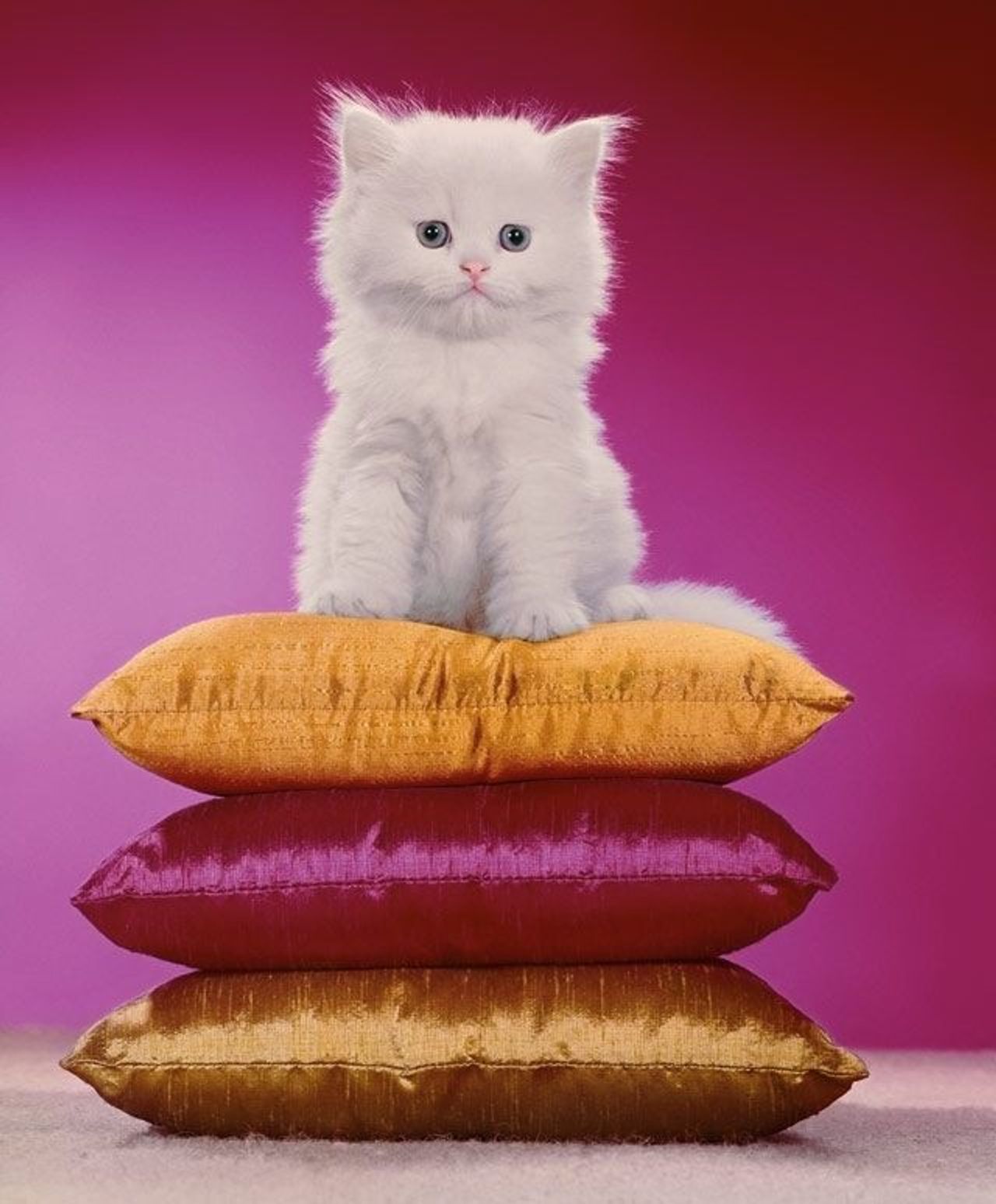
Chandoha’s photographs were more than delightful. They altered how cats were seen in mass media and culture. Before his work, cats were often depicted as decorative or secondary figures in imagery. Through his lens, they became protagonists — full of humor, elegance, and individuality.
His career anticipated what the digital age would later amplify: the fascination with cats as symbols of character and emotion. Long before the viral cat video, there was Walter Chandoha’s photograph of a kitten leaping, stretching, or gazing directly into the camera, inviting the viewer into its world.
Destiny, Reconsidered
Looking back, it is tempting to call Chandoha’s meeting with Loco “destiny.” Yet destiny suggests inevitability. The truth is subtler, and more powerful: meeting this cat changed his destiny.
The decision to scoop up a cold kitten in the snow did not simply confirm a path already set — it created a new one. Loco’s mirror duel did not reveal a talent waiting in silence; it forced Chandoha to recognize it, pursue it, and share it with the world.
His story reminds us that life’s turning points often arrive unannounced, disguised as chance encounters, and that the smallest beings can alter the largest trajectories.
The Legacy of a Gaze
Walter Chandoha photographed cats for over seventy years, refining a method built on patience, empathy, and a deep knowledge of feline behavior. His images influenced generations of photographers and still today reveal the essence of the cat: elegant, enigmatic, surprising.
And it all began with Loco, the stray kitten found by chance. A cat who not only discovered a home, but opened the door to a new form of artistic expression. A cat who changed a destiny.
Sources
- Hunterdon Art Museum: Walter Chandoha: A Lifetime of Photography
- The New York Times: Obituary of Walter Chandoha (2019)
- Artnet: “Walter Chandoha, the Photographer Who Popularized Cat Pictures Before the Internet…”
- Vanity Fair: “Walter Chandoha’s Cat Photography: A 70-Year Love Story”
- The Guardian: “Walter Chandoha’s purrfect cats – in pictures”
- Wikipedia: Walter Chandoha
- Wired: “Meet the Godfather of Cat Photography”
- Instagram: “Walter Chandoha Archive”

0 Comments